Farms for Sale in Prescott, AR: Exploring Your Options in 2026
Farms for Sale in Prescott, AR: Exploring Your Options in 2026
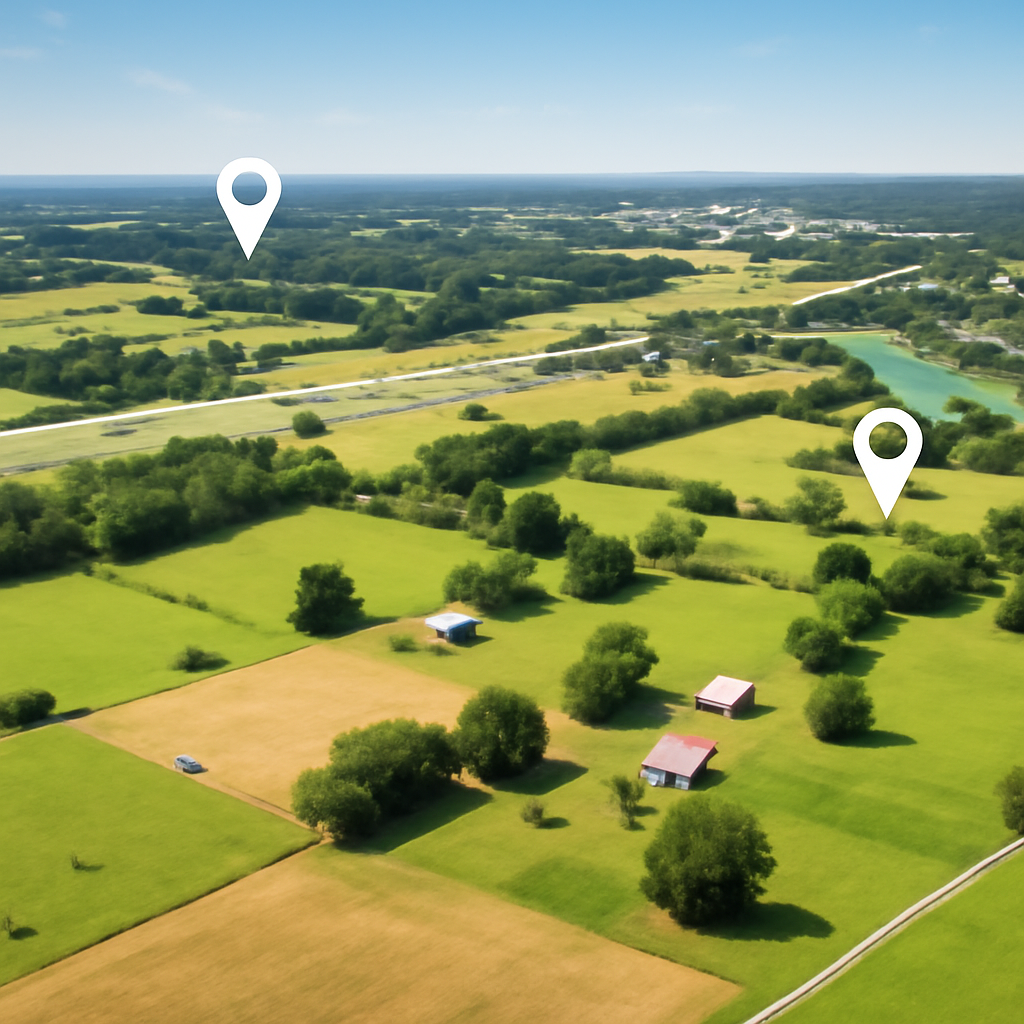
Farms for sale in Prescott AR present a diverse mix of pasture, timber, and row-crop tracts that appeal to producers and investors. According to LandWatch, the Prescott and Nevada County area typically carries between 20 and 40 active land and farm listings at any given time in recent seasons. That level of inventory creates choices across acreage sizes and price brackets, while still keeping competition firm for well-improved properties with reliable access and water.
How is the 2026 market shaping up for farms around Prescott?
The 2026 landscape for farms for sale in Prescott AR reflects broader Arkansas land trends, with moderate price growth and steady buyer interest. Based on data from USDA NASS Arkansas, average farm real estate values across the state have risen in a range of 3% to 6% annually in recent years. While local pricing depends heavily on soil type, improvements, and location relative to Prescott, those statewide figures suggest continued resilience for well-managed farm assets.
Entry-level farm tracts near Prescott often fall in the lower acreage brackets, appealing to small-scale livestock or hay operations. According to listings summarized by Realtor.com, many smaller farm and hobby-farm properties in the Prescott area trade between about $150,000 and $300,000, generally in the 20 to 60 acre range. That bracket often includes modest homes, barns, and fenced pasture, making it suitable for buyers focused on manageable operating costs.
Larger working farms and mixed pasture–timber holdings present a different pricing profile. Data compiled by Land And Farm shows multi-hundred-acre tracts in Nevada County frequently marketed between roughly $2,000 and $3,500 per acre, depending on improvements and merchantable timber value. Tracts above 200 acres with established cattle infrastructure or row-crop history often command premiums relative to more speculative timber or cutover land.
Late afternoons along West Main Street, just north of the fields edging Prescott High School, often carry the low hum of trucks heading back from pasture, dust rising softly in the orange light. The smell of cut hay drifts across from open-sided barns near Highway 371, mixing with the aroma of burgers from the Sonic Drive-In. Overhead, lines of blackbirds circle the silos, while distant cattle calls create a muted backdrop that reinforces the town’s everyday connection to nearby farmland.
What types of farm properties are most common near Prescott?
Farm buyers studying farms for sale in Prescott AR will encounter a spectrum of property types, from compact livestock operations to expansive timber and hunting tracts. According to LandWatch, a significant share of listings in the Prescott and Nevada County corridor feature mixed-use land, with portions in pasture and the balance in natural or planted pine. Mixed tracts often span 80 to 300 acres and provide grazing income alongside long-term timber potential.
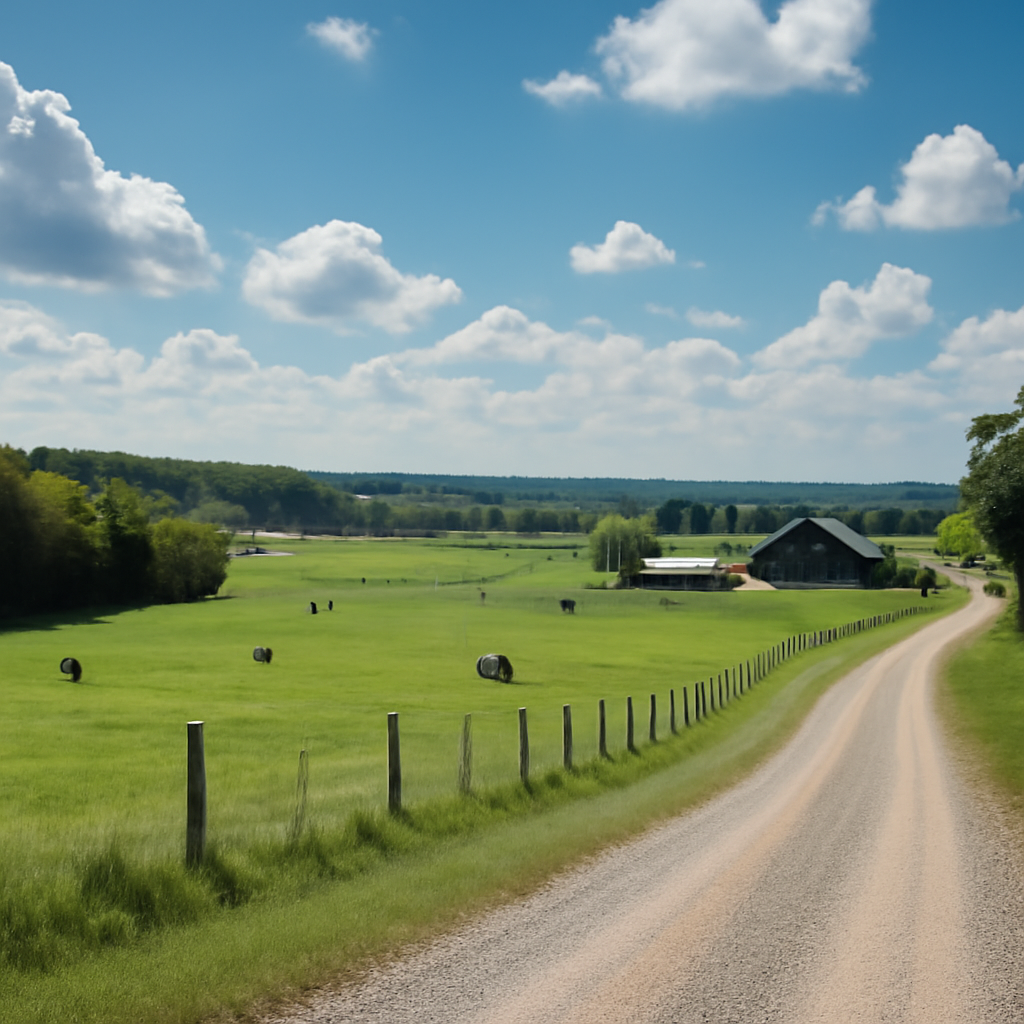
Dedicated cattle farms tend to cluster south of town toward the Little Missouri River and east along Arkansas Highway 24. Listings analyzed on Land And Farm show many of these properties offering cross-fenced pasture, multiple ponds, and working pens. Per-acre pricing for improved pasture in the region commonly falls between about $2,500 and $4,000 per acre when strong fencing, reliable water, and functional handling facilities are present, with smaller or less-improved tracts priced lower.
Cropland appears less frequently than pasture or timber near Prescott but still represents a meaningful segment. Bottomland fields along the Little Missouri River corridor and flatter areas near Prairie D'Ane Battlefield may support row crops such as soybeans or corn. According to USDA NASS Arkansas, statewide cropland values generally sit above pasture values by roughly 15% to 25%, a spread that often influences local asking prices for irrigated or well-drained fields with proven production histories.
Timber and recreational tracts attract both local and out-of-area buyers, especially where deer and turkey habitat is robust. Parcels west of Prescott toward Interstate 30 and north along Nevada County Road 23 frequently combine pine stands with hardwood creek bottoms. Listings tracked by Realtor.com often show timber-heavy acreage priced in broader ranges, from about $1,500 to $3,000 per acre, depending on age class, access, and merchantability of standing timber.
Which locations and amenities matter most when comparing Prescott farm listings?
Location within and around Prescott strongly shapes both daily operations and long-term value. Proximity to services along West Main Street, including the Nevada County Courthouse and local agricultural suppliers, can save repeated trips from distant tracts. According to travel-time estimates compiled by City of Prescott driving directions, many farms within about a 10 to 15 minute radius of downtown benefit from quick access to fuel, hardware, and livestock feed, while still maintaining rural privacy.
School zoning also influences decisions for households operating family farms. Properties aligned with Prescott Elementary School and Prescott High School often hold appeal for operators balancing farm work with academic commitments. GreatSchools reports that Prescott High School serves roughly 300 to 400 students, a scale that can foster close-knit classrooms and community involvement. Farms located along Highway 371 and Arkansas 19 commonly fall within these attendance zones, although exact lines should always be verified through district resources.
On fall evenings near Pioneer Park, the crisp smell of woodsmoke from farmhouse chimneys mixes with the sweet scent of funnel cakes drifting from the Nevada County Fairgrounds. Stadium lights at Cummings Stadium cast a soft glow over parked trucks along Highway 19 as the crowd's cheers from a Curley Wolves game roll across nearby fields. In the quiet stretches between plays, crickets and tree frogs reclaim the soundscape, underlining how quickly cultivated ground meets small-town streets.
Practical infrastructure often separates highly functional farms from more challenging holdings. Listings surveyed on LandWatch show that properties with all-weather gravel access, rural water connections, and three-phase power where needed generally command higher asking prices. Buyers comparing options may encounter price differences of $500 to $1,000 per acre between similar tracts with and without dependable road access and utilities, underscoring the long-term operational value of baseline infrastructure.
How do operating costs, taxes, and potential income impact purchase decisions?
Beyond asking price, operating costs and potential income streams shape the feasibility of farms for sale in Prescott AR. Property taxes constitute a recurring line item. According to a statewide analysis by the Tax Foundation, Arkansas effective property tax rates generally fall between about 0.5% and 0.7% of assessed value, among the lower ranges nationally. That relatively modest burden can improve net returns, particularly on larger acreages or higher-value improved properties.
Production costs vary by enterprise. Cattle-focused farms must budget for supplemental feed, veterinary care, fencing maintenance, and equipment. Data from University of Arkansas Extension cow-calf budgets suggest per-head annual operating costs often run in the range of $600 to $900, depending on pasture quality and winter feeding requirements. In contrast, hay operations with adequate fertilization and equipment may see more upfront machinery investment but lower ongoing livestock-related expenses.
Income sources also include hunting leases and timber sales on mixed-use farms. According to lease rate surveys referenced by University of Arkansas Extension, recreational hunting leases in many Arkansas counties often generate between about $8 and $18 per acre annually. Periodic timber harvests, when professionally planned, can add lump-sum revenue events every 12 to 20 years, smoothing long-term cash flow when paired with ongoing agricultural income.
Financing terms further influence affordability. Conventional agricultural lenders in Arkansas frequently require down payments in the range of 20% to 35% on farm and ranch purchases, according to lending guidelines summarized by Farm Credit. Interest rates and amortization periods depend on borrower profile and collateral type, but long-term fixed-rate structures can spread principal and interest costs across 20 to 30 years, aligning payment schedules with multi-year production cycles or timber rotations.
What steps help buyers and sellers navigate Prescott farm transactions effectively?
Navigating farms for sale in Prescott AR requires coordination among lenders, surveyors, and agricultural professionals. Title work often involves reviewing historical easements for access roads, pipeline rights-of-way, and utility corridors that cross rural properties around Nevada County. According to best-practice guidance from the Arkansas Realtors Association, buyers and sellers both benefit when certified surveys confirm boundary lines and recorded easements before closing, reducing the likelihood of future disputes over fences or entry points.
Environmental and soil due diligence also matters. The NRCS Web Soil Survey indicates that soil types across the Prescott area range from well-drained sandy loams to heavier clays, each affecting carrying capacity and crop potential differently. Reviewing soil maps alongside historical yield records, where available, allows more accurate budgeting for fertilizer rates, lime applications, and improved forage species. That analysis can influence per-acre value estimates by several hundred dollars, particularly on tracts marketed as high-production pasture or cropland.
Marketing strategy shapes outcomes for sellers aiming to stand out among farms for sale in Prescott AR. Listings on platforms such as LandWatch and Land And Farm that feature accurate aerial maps, stocking rates, grazing histories, and infrastructure inventories tend to attract more qualified inquiries. Thoughtful pricing within 5% to 10% of recent comparable sales, as indicated by public records and listing archives, can reduce time on market while still protecting seller equity.
Local knowledge remains valuable in a market shaped by county roads, creek crossings, and practical access to places such as Prescott City Park, the downtown Prescott Historic District, and the industrial area near the PotlatchDeltic facility. Agents familiar with routes along Highway 67, Arkansas 24, and neighborhood streets like Hale Avenue often help match properties to operations that fit the terrain and infrastructure, improving long-term satisfaction with both small homestead farms and larger commercial holdings.
The 20 to 40 active farm and land listings referenced at the start of this guide reflects a market with meaningful choice but finite supply, where hesitation can allow strong tracts to move quickly. That inventory figure from LandWatch underscores the importance of preparation before serious engagement with farms for sale in Prescott AR. The Arkansas Realtors Association provides statewide contract forms and legal updates that support clear, enforceable agreements. Buyers who register listing alerts through preferred land platforms and commit to touring qualified properties within 48 hours of new listings ahead of the late-spring 2026 selling season generally secure better acreage, while those delaying action until after summer often face reduced selection and firmer pricing.
Categories
Recent Posts