The Best Hunting Properties in Prescott AR: 2026 Market Insights

The Best Hunting Properties in Prescott AR: 2026 Market Insights
Prescott in Nevada County anchors a pocket of southwest Arkansas where deer, turkey, and waterfowl opportunities intersect within short drives of town. According to the Arkansas Game and Fish Commission, hunters statewide access roughly 3 million acres of public hunting land, complementing extensive private tracts near Prescott. This mix of timber, pasture, and creek bottoms around the Little Missouri River, Prairie D’Ane Battlefield, and White Oak Lake region creates compelling conditions for investors comparing recreational and income-producing land in 2026.
Why are Prescott AR hunting properties gaining attention in 2026?
Prescott sits along Interstate 30 roughly 100 miles from Little Rock and about 45 miles from Texarkana, making weekend access straightforward for regional hunters. Listing data for Prescott and Nevada County land tracked by LandWatch in early 2026 shows dozens of tracts marketed specifically for hunting, timber, or mixed recreational use. Parcel sizes commonly range from 40 to 200 acres, with many properties positioned within a 15-minute drive of downtown Prescott along Highway 371, West 1st Street South, and East Main Street.
According to Realtor.com data reviewed in Q1 2026, a significant share of active Prescott land listings highlight deer and small-game potential, reflecting demand from regional hunters. Marketing remarks frequently note proximity to the Little Missouri River, road frontage on Arkansas Highway 19, or access to timber company roads. This emphasis signals that recreational attributes now sit alongside timber and grazing value as primary selling points for many Prescott AR hunting properties.
Statewide harvest reports from the Arkansas Game and Fish Commission show annual white‑tailed deer harvests often exceeding 180,000 animals in recent seasons, with southwest Arkansas contributing a substantial portion. While figures are not broken down specifically for Nevada County, nearby management zones consistently produce strong per‑hunter success rates. For many buyers, the combination of steady statewide harvest data, flexible seasons, and modest travel times from major cities elevates Prescott’s profile against more distant rural markets.
On autumn evenings near the Nevada County Depot & Museum, the distant crack of rifles from timber tracts outside town mingles with the low whistle of freight trains along the Union Pacific Railroad. Headlights slip along Walnut Street toward Love’s Travel Stop as the air picks up the faint smell of wood smoke from homes off Highway 67. That blend of small‑town rhythm and nearby hunting activity underscores why many regional sportsmen favor Prescott AR hunting properties over more remote locations.
Which areas around Prescott offer the strongest hunting potential?
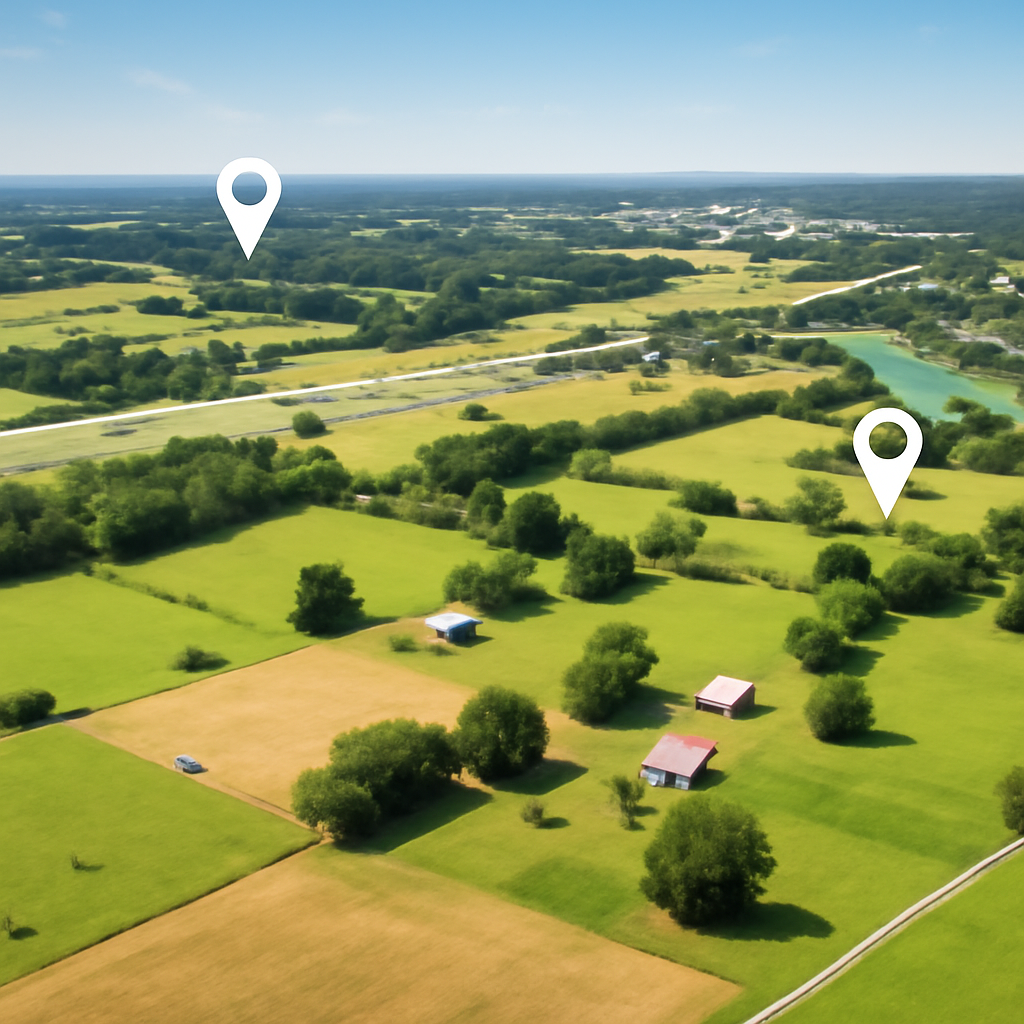
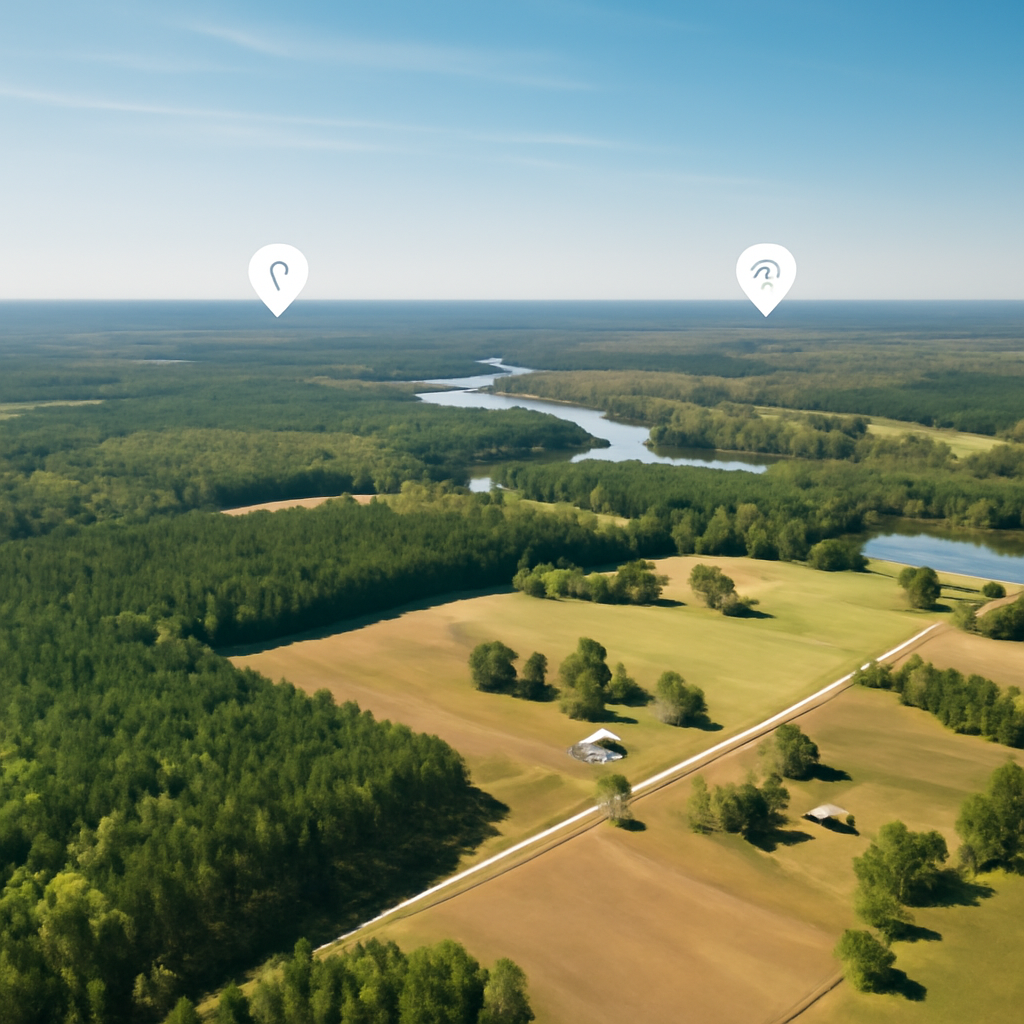
Different corridors around Prescott deliver distinct advantages. North of town, tracts stretching toward the Prairie D’Ane Battlefield and the Little Missouri River often combine mature hardwood draws with improved pasture, creating edge habitat attractive to deer and turkey. East of Prescott, properties along Highway 24 toward Bluff City move closer to White Oak Lake State Park and the associated wildlife-rich timberlands. According to Arkansas State Parks, the White Oak Lake area supports healthy populations of deer, waterfowl, and small game, which often spill into adjacent private holdings.
South of town, land extending toward Rosston and Cale frequently features industrial pine plantations intermixed with natural hardwood drains. Listings tracked by Land.com in late 2025 show numerous tracts in this direction marketed as long‑term timber investments with established interior road systems and food plots. Many of these offerings lie within approximately 10 to 18 miles of Prescott via Highway 371 or rural county roads, allowing hunters to access supplies at Love’s Travel Stop, McDonald’s on Highway 67, or the downtown grocery before heading back to camp.
West of Prescott toward Gurdon and Okolona, mixed hardwood bottoms become more prevalent along smaller creeks and sloughs. Flood‑prone soils that challenge crop production often translate into excellent wildlife habitat, particularly for ducks and early season bowhunting. Based on observed listing descriptions on LandWatch, many of these western properties offer secluded access via gated easements, with distances from Interstate 30 interchanges typically between 4 and 12 miles, balancing privacy with reasonable travel times.
Sunrise along the Little Missouri River northwest of town brings low fog hanging over gravel bars while wood ducks whistle past the railroad bridge near Kelly Field. The wet smell of river mud mixes with the sharp scent of crushed pine needles underfoot as light filters through overhanging sycamores. A distant truck hums along Highway 19 toward Prescott High School, yet within minutes the sound fades, replaced by crows and the slow drip of water from mossy logs on the riverbank.
How do land features and habitat shape Prescott AR hunting properties?
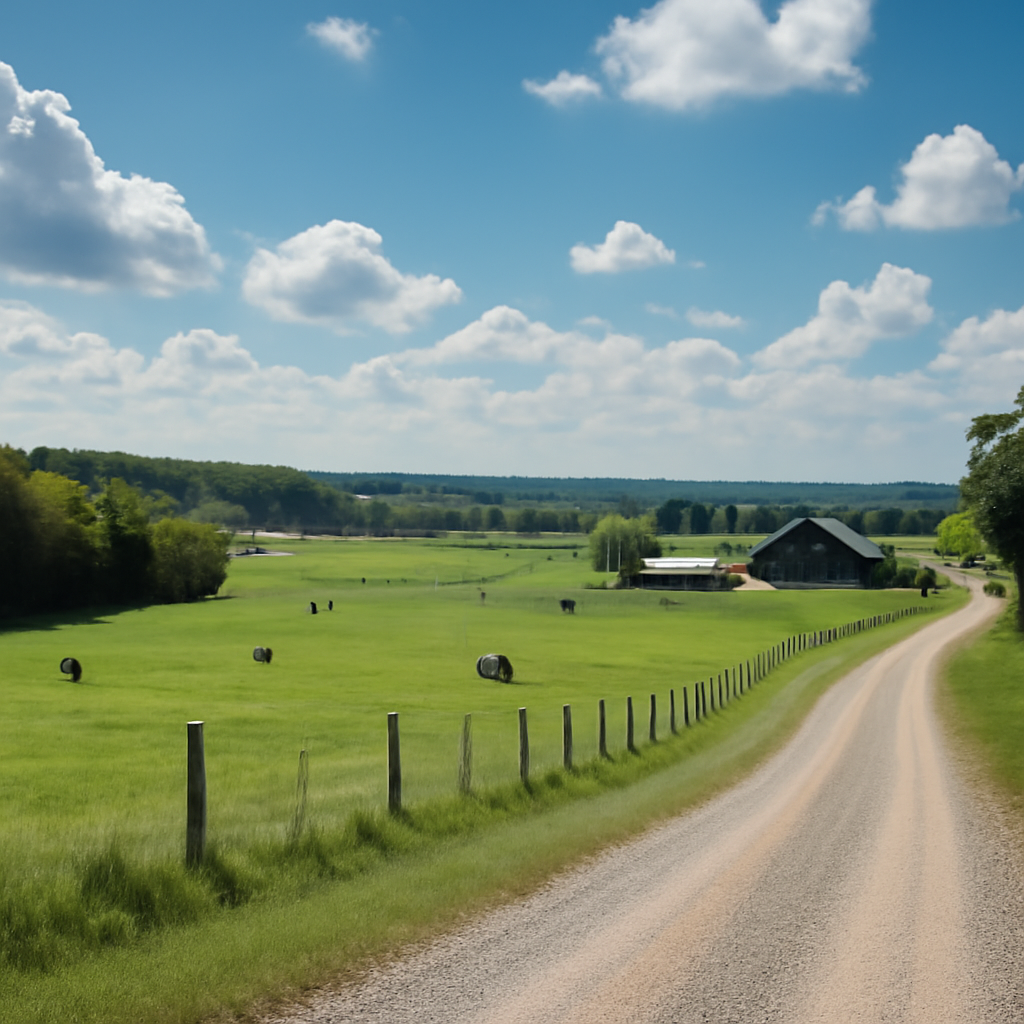
Topography and vegetation often determine long‑term hunting success more than sheer acreage. In Nevada County, gentle rolling hills with 40 to 120 feet of elevation change provide natural funnels that concentrate deer movement. Properties combining pine plantations on ridges with hardwoods in creek bottoms, especially near Caney Creek or Prairie D’Ane Creek, often command premiums because they host bedding cover, travel corridors, and mast production in a compact footprint. According to habitat guidance from the Arkansas Game and Fish Commission, such diversity supports higher wildlife carrying capacity.
Water features significantly influence property desirability. Seasonal sloughs, small stock ponds, and frontage along the Little Missouri River can enhance waterfowl and fishing potential while providing reliable water for deer and turkey. Listings analyzed on Realtor.com show that many tracts advertise one or more ponds or creek frontage, with some marketing up to 2 or 3 surface-water features on parcels under 200 acres. In 2026, buyers are increasingly attentive to these attributes as drought frequency and summer heat intensify across the region.
Soils and timber age also shape long‑term investment value. Sandy loams along Highway 24 and Highway 371 grow loblolly pine efficiently, supporting periodic thinnings that can generate income roughly every 12 to 18 years. According to forestry cost‑share summaries compiled by the AGFC Private Lands Program, integrated wildlife and timber plans often increase habitat value while preserving rotation yields. Tracts with a mix of pre‑merchantable stands and mature timber offer staggered cash‑flow opportunities alongside hunting benefits, appealing to buyers seeking returns beyond recreation.
What do prices and returns look like for Prescott AR hunting properties in 2026?
Pricing in and around Prescott reflects a combination of size, timber value, and access to utilities or paved roads. Land listing samples from LandWatch during late 2025 and early 2026 indicate recreational tracts in Nevada County frequently advertise asking prices in the approximate range of $2,000 to $3,500 per acre, with smaller parcels sometimes priced modestly higher. Tracts with recent timber cruises, power along the county road, and established food plots often sit toward the upper end of that band.
Income potential varies. Pine plantations near Rosston or along Highway 371 can generate periodic harvest checks, helping offset carrying costs such as property taxes and maintenance. According to countywide millage and effective tax rate estimates referenced by the City of Prescott, many rural Nevada County parcels carry effective property tax rates in the vicinity of 0.6% to 0.8% of assessed value annually, though actual bills vary by improvement level and exemptions. Modest tax burdens, combined with recreational demand, support holding periods exceeding 10 to 20 years for some owners.
Resale dynamics also influence return expectations. Market data from Realtor.com through early 2026 shows relatively limited residential and land inventory within Prescott city limits, often measuring in the dozens rather than hundreds of active listings. Scarcity, particularly for tracts over 100 acres within 20 to 25 minutes of town, can insulate values during broader market slowdowns. Well‑improved hunting properties with internal roads, blinds, and small cabins occasionally command six‑figure price tags above $250,000, depending on size and location.
How can buyers evaluate access, regulations, and long-term value?
Access considerations extend beyond simple road frontage. Gated easements across neighboring land, low‑water crossings on creeks, and seasonal mud conditions can all affect practical usability. Guidance from the Arkansas Game and Fish Commission’s rural property resources emphasizes verifying legal access in recorded documents and confirming that roads are usable for typical trucks during wet seasons. Tracts along paved routes such as Highway 67, Highway 19, or Highway 24, and those within 5 to 8 minutes of services at Love’s Travel Stop or downtown Prescott businesses, often maintain broader resale appeal.
Regulatory awareness is equally important. Arkansas hunting seasons, bag limits, and WMA regulations change periodically, and many Prescott owners also utilize nearby public areas such as the Rick Evans Grandview Prairie WMA north of Rosston for supplemental opportunities. According to current season summaries from the AGFC, deer modern gun seasons in relevant zones typically extend several weeks, with archery seasons often running 4 to 5 months. Aligning property improvements, such as food plots or shooting lanes, with these timelines can enhance both hunting success and perceived property value.
Local infrastructure and community assets contribute to long‑term enjoyment. Prescott High School, Prescott Elementary School, the Nevada County Fairgrounds, and the Nevada County Library along East Elm Street provide educational and cultural stability that many long‑term landowners appreciate. Restaurants and services near Highway 67, including chain options and locally owned spots in downtown Prescott, keep supply runs efficient. Over periods of 10 to 30 years, access to stable schools, basic healthcare, and highway connectivity often proves as important as timber rotations or game density in supporting property values.
The 3 million acres of public hunting land cited at the start of this guide reflects the broader context in which Prescott AR hunting properties operate, signaling deep statewide demand for access to quality habitat. That same statewide figure from the opening underscores how competitively positioned private tracts near Prescott can become when they combine habitat, access, and reasonable pricing. The Arkansas Realtors Association market reports offer regular perspectives on rural transaction volume and buyer preferences across the state. Buyers who register listing alerts through regional brokerage sites and commit to touring promising Prescott properties within 48 hours of new rural land listings going active before the late‑summer 2026 lull often secure more favorable pricing and selection than those delaying engagement until after early fall activity surges.
Categories
Recent Posts