Your Ultimate Guide to Hunting Properties in Fouke, AR for 2026

Your Ultimate Guide to Hunting Properties in Fouke, AR for 2026
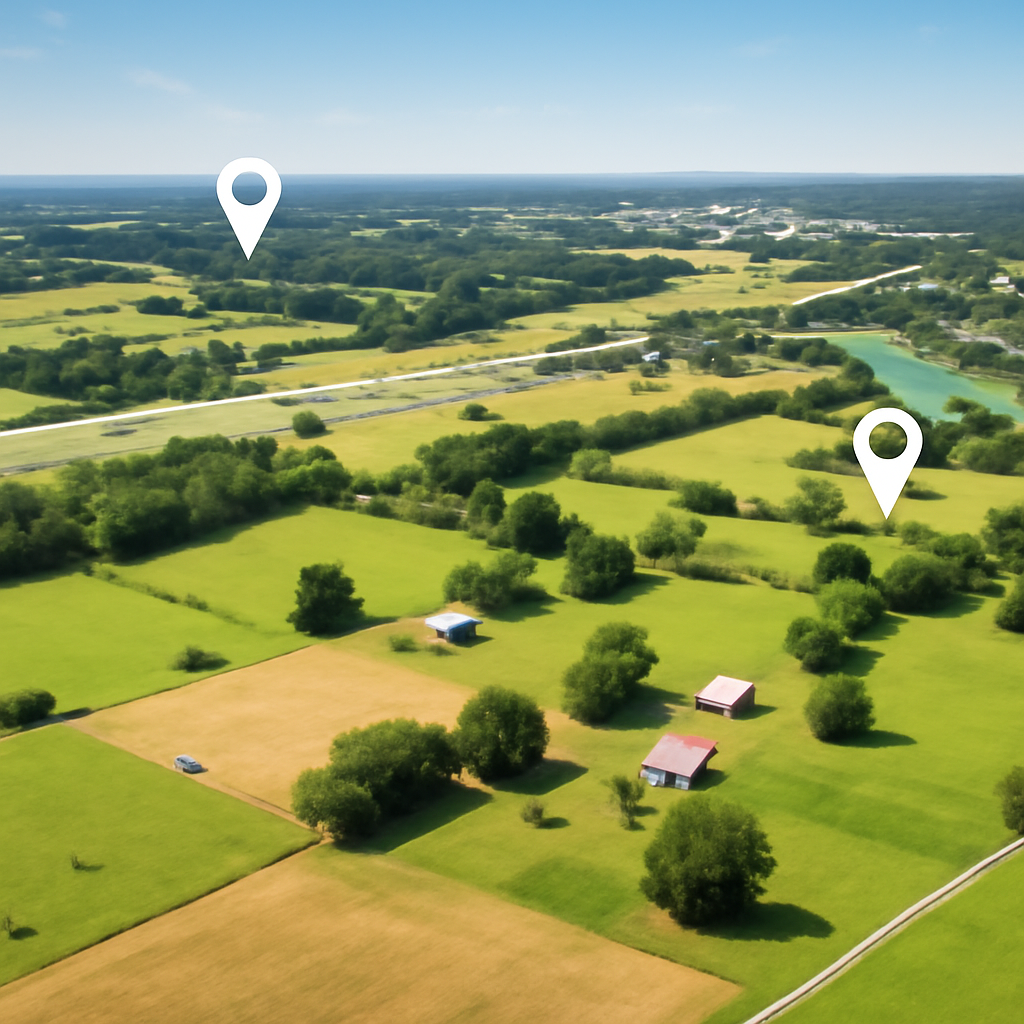
Fouke, in southern Miller County, sits within a corridor of timber, creeks, and cropland that keeps demand for hunting tracts steady. According to Zillow, the broader Fouke housing market has seen listing prices generally cluster within a moderate range through 2025, supporting recreational land interest heading into 2026. Proximity to Texarkana, roughly 15 miles north along U.S. Highway 71, adds buyer demand from both Arkansas and Texas. Understanding land features, access, and regulations helps investors match property characteristics with long-term hunting goals.
What Defines the Appeal of Fouke AR Hunting Properties for 2026?
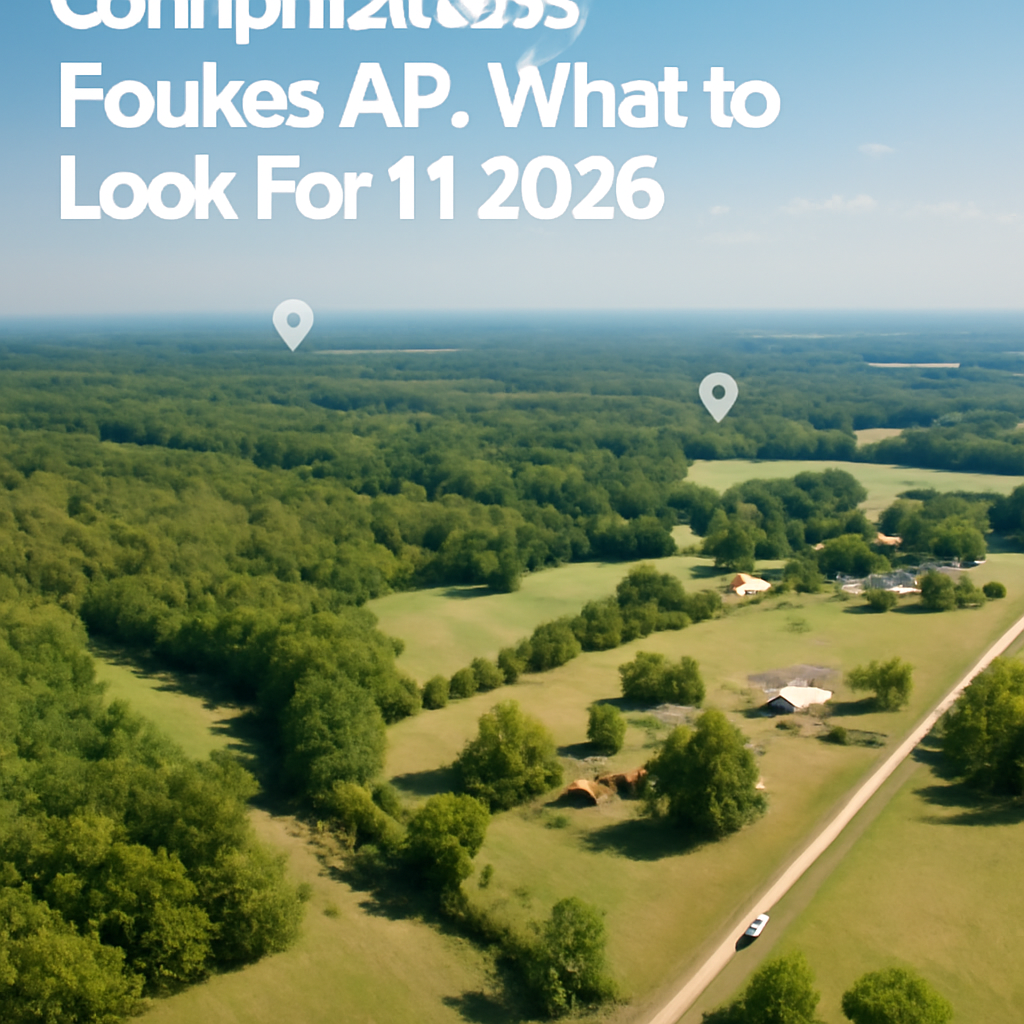
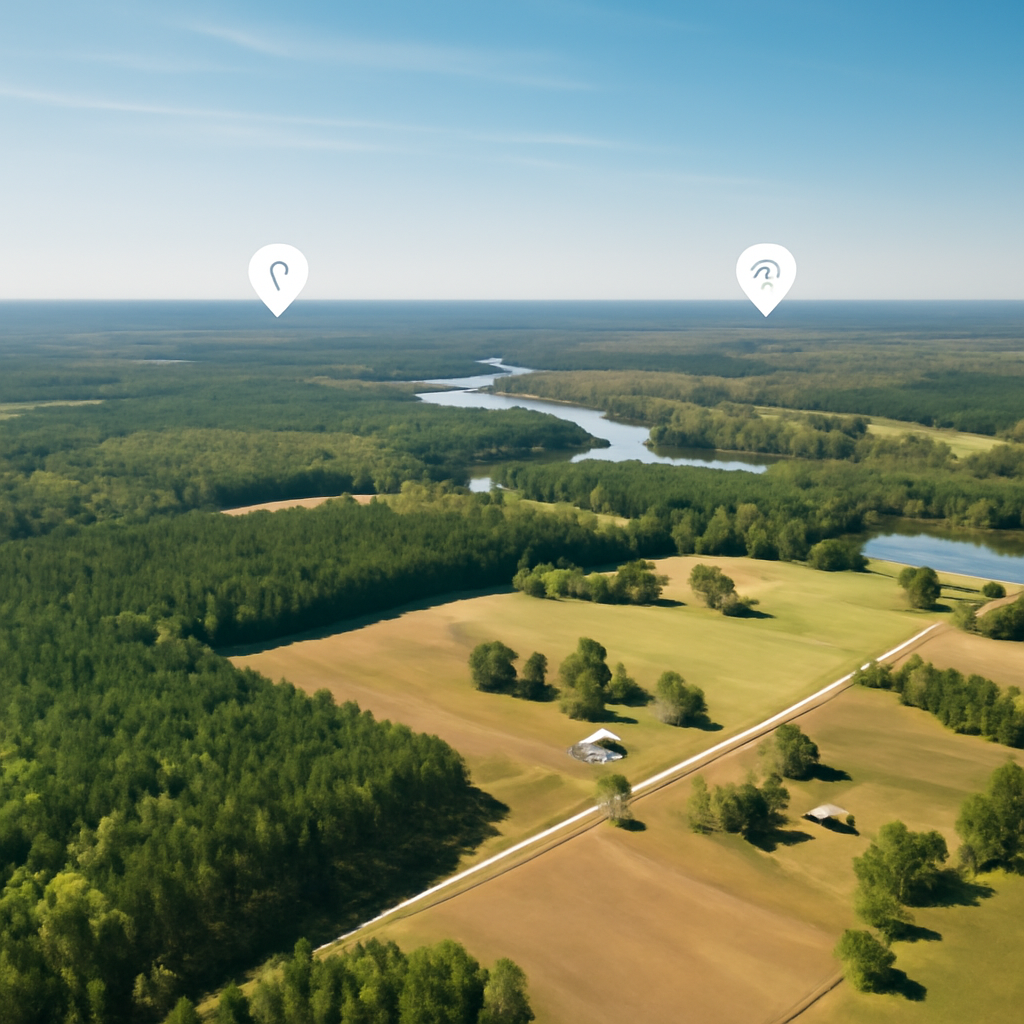
Fouke AR hunting properties benefit from a mix of pine plantations, hardwood bottoms, and pasture along corridors such as U.S. Highway 71 and Arkansas Highway 237. Many tracts lie within a 30-minute drive of central Texarkana via State Line Avenue, allowing hunters to reach blinds before daylight while still working in the city. The presence of the Sulphur River and nearby Days Creek supports deer, feral hog, and waterfowl populations that respond well to food plots and controlled pressure.
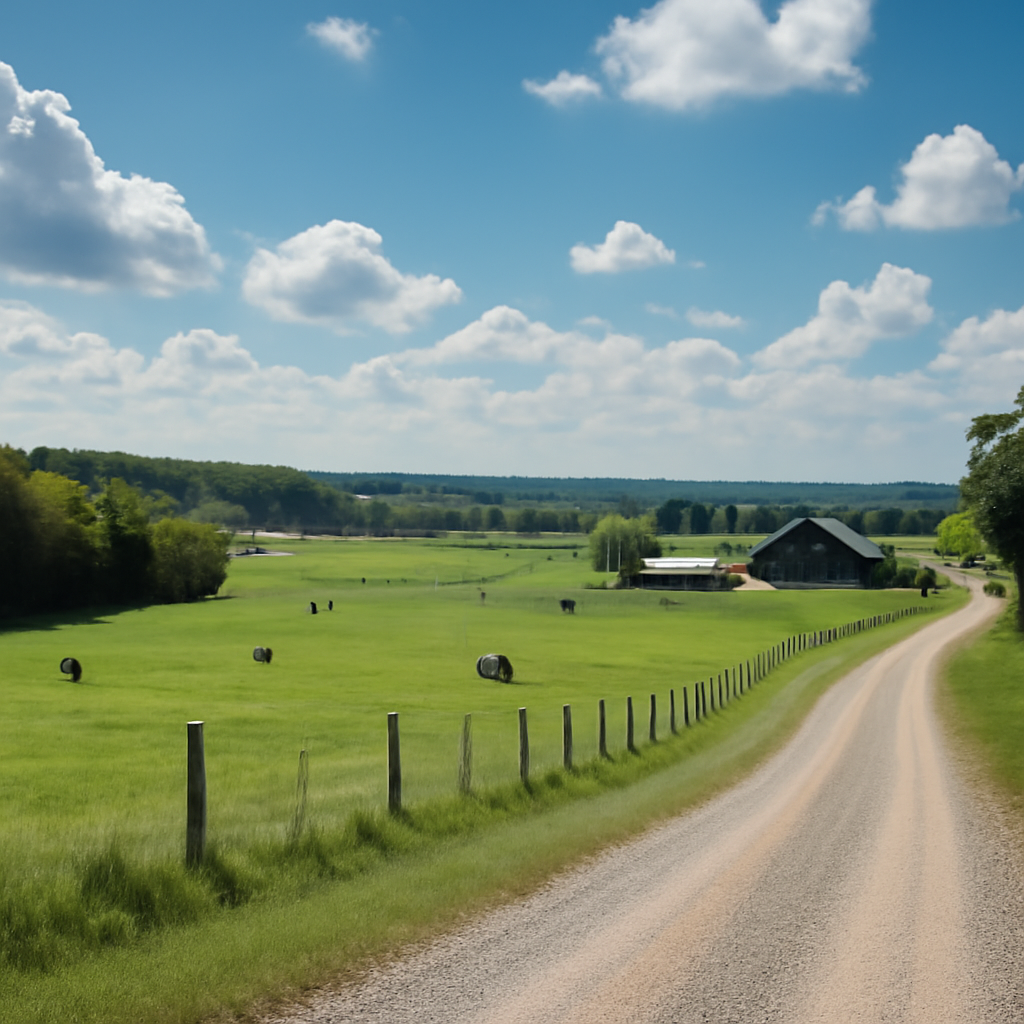
Population density in Miller County remains relatively low, at about 34 residents per square mile, according to U.S. Census QuickFacts. That limited residential pressure leaves many timber and pasture parcels south of Fouke open for recreational use, particularly around Fouke City Lake and stretches toward Garland City. The combination of manageable drive times, relatively light traffic on rural roads, and consistent wildlife habitat has made the Fouke area a practical location for weekend hunting retreats.
Education and daily services also influence land demand. Families connected to Fouke Elementary School, Fouke Middle School, and Fouke High School often prefer tracts within a 20-minute school commute. According to GreatSchools, Fouke High School holds mid-range ratings that still attract households wanting small-district environments. Proximity to these campuses along West Main Street and East Barton Street allows owners to combine recreational land ownership with practical daily routines.
How Do Land, Timber, and Water Features Shape Hunting Potential in Fouke?
Topography across the Fouke area alternates between gently rolling uplands and low-lying creek bottoms. Parcels near Sulphur River Wildlife Management Area and stretches along Boggy Creek often include mature hardwoods that produce strong acorn crops every 2 to 3 years. According to the Arkansas Game and Fish Commission, mast production cycles in the Sulphur River corridor significantly affect deer and turkey movement, rewarding properties with diverse oak species and understory cover.
On calm November evenings along Arkansas Highway 237, the air often carries a faint scent of woodsmoke from farmhouses south of Fouke. Hunters walking toward ladder stands near Days Creek hear distant dogs barking in town and the rustle of leaves as whitetails slip through planted pines. The sky over Fouke City Park glows soft orange, reflecting off shallow ponds while headlights hum past on Main Street, giving the landscape a hushed, anticipatory feel before legal shooting light ends.
Water features also matter. Tracts with sloughs or beaver ponds within 1 to 2 miles of the Sulphur River can offer wood duck and teal shooting when flooded. Properties west toward Wright Patman Lake and Bringle Lake Park provide additional fishing and boating within roughly 25 minutes of downtown Fouke. According to habitat guidance from the Arkansas Game and Fish Commission, properties that integrate shallow wetlands, native grasses, and minimal disturbance see significantly higher wildlife use.
What Price Ranges and Financing Options Exist for Fouke AR Hunting Properties?
Pricing for Fouke AR hunting properties typically reflects a combination of road frontage, utilities, timber value, and distance to Texarkana. Based on current listings tracked by LandWatch through early 2026, small recreational tracts in Miller County often range from roughly $3,000 to $5,500 per acre, while larger timber holdings can trade closer to $2,200 to $3,800 per acre, depending on stand age and access. Occasional premium properties with multiple ponds or river frontage may push localized totals toward $2.4M across several contiguous parcels.
Conventional land loans from regional lenders in Texarkana often require down payments of 15% to 25%, especially for tracts without existing residences. For buyers combining a primary residence with acreage closer to town, Federal Housing Administration-backed options may apply. According to the U.S. Department of Housing and Urban Development, standard FHA mortgages can allow minimum down payments as low as 3.5% on qualifying homes, leaving additional funds available for habitat improvements or equipment.
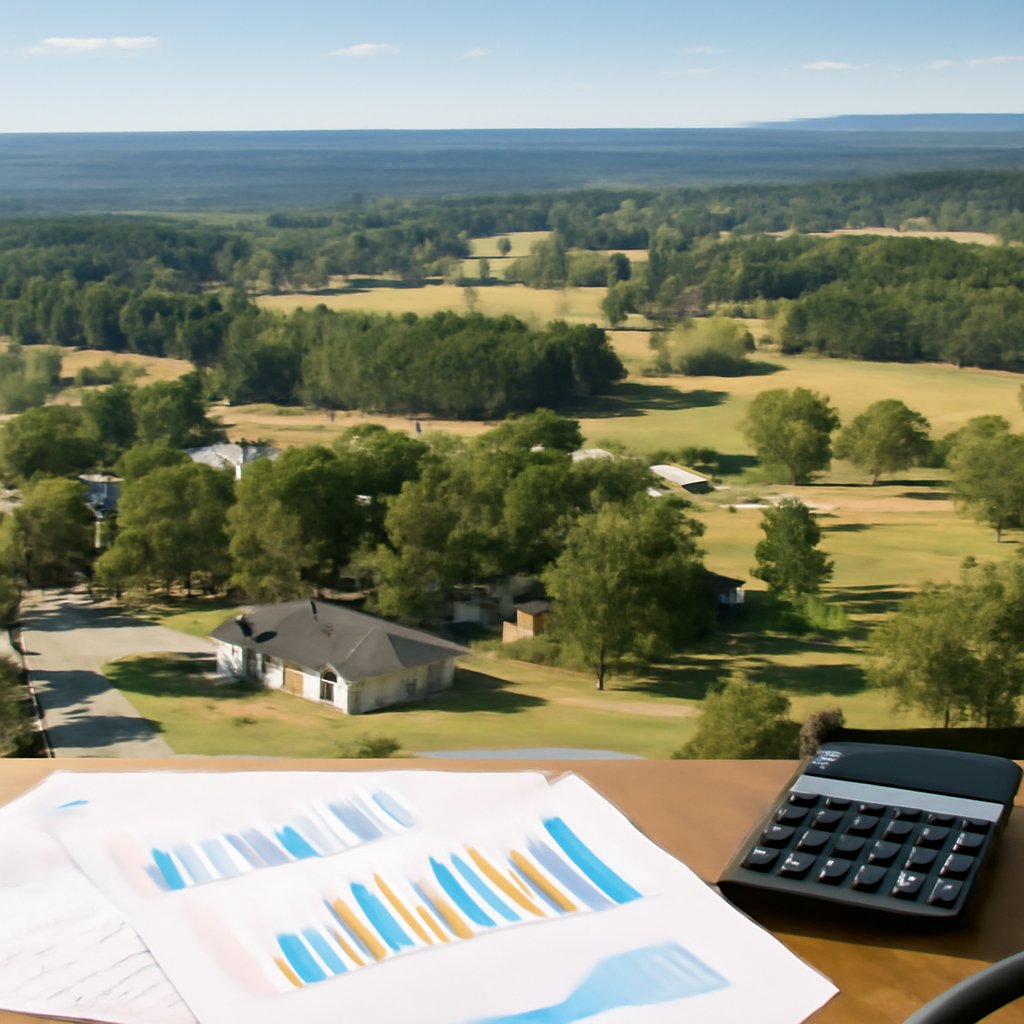
Carrying costs also influence long-term ownership. Property tax burdens across Arkansas generally remain moderate compared with many other states. According to research from SmartAsset, effective property tax rates in Arkansas often fall between roughly 0.5% and 0.8% of assessed value annually. For a midrange Fouke recreational tract assessed near $250,000, that translates into an estimated yearly tax outlay between about $1,250 and $2,000, depending on local millage rates within Miller County.
Which Local Amenities and Access Routes Matter Most to Hunting Land Buyers?
Access remains central to both property value and daily use. Parcels lying within 5 miles of U.S. Highway 71 or Arkansas Highway 237 offer faster runs into Texarkana for supplies, equipment repairs, and medical care at Christus St. Michael Hospital or Wadley Regional Medical Center. Many hunters favor tracts reachable from Fouke in under 25 minutes, particularly those near intersections with Miller County Road 10 or County Road 9, where gravel roads remain passable through most winter weather.
On busy Friday nights, headlights roll steadily down State Line Avenue as diners filter toward Texarkana favorites like Hopkins Icehouse and Loca Luna. After a late meal, the contrast is stark when trucks turn south toward Fouke, leaving the neon glow behind for dark two-lane stretches. Crickets sing along rural ditches near Fouke Community Center, and the sweet, damp smell of cut hay hangs over fields bordering West Fouke Boulevard as hunters return to small cabins tucked in pine thickets.
Everyday amenities further support landownership. Central Mall Texarkana, Spring Lake Park, Bobby Ferguson Park, and Bringle Lake East Park furnish outdoor and retail destinations within roughly 20 to 30 minutes of many Fouke tracts. Families often appreciate access to grocery options along Richmond Road and New Boston Road, as well as feed and farm-supply outlets on U.S. Highway 82. These services allow regular trips from properties south of Fouke without sacrificing time needed for stand placement, trail maintenance, and game processing.
How Can Buyers Evaluate Long-Term Value and Regulations for Fouke Hunting Tracts?
Long-term value for Fouke AR hunting properties hinges on thoughtful evaluation of both habitat potential and regulatory frameworks. Arkansas Game and Fish Commission seasons and bag limits shape deer and turkey harvest strategies, especially for properties within 10 to 15 miles of public access areas such as Sulphur River Wildlife Management Area and nearby Millwood Lake. According to the Arkansas Game and Fish Commission, private landowners who coordinate habitat work with regional biologists often see noticeable improvements in herd quality over 3 to 5 seasons.
Market transparency strengthens purchase decisions. Data from LandWatch indicate that the number of actively marketed Miller County hunting listings can fluctuate between roughly 40 and 80 parcels depending on season and timber-harvest cycles. Monitoring asking-price trends near Fouke, Genoa, and Garland City over several quarters helps buyers contextualize a specific tract within broader acreage and price-per-acre patterns before submitting offers.
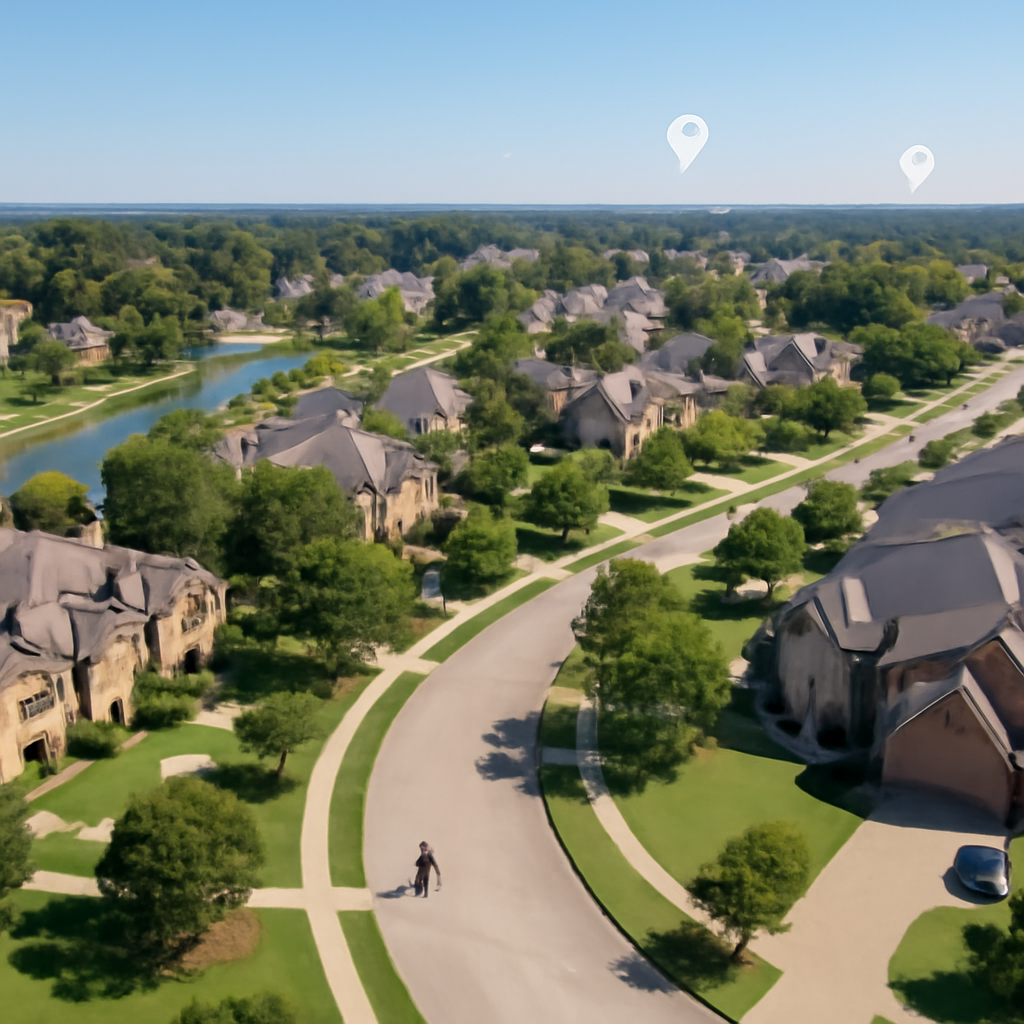
Local infrastructure and schooling add another layer of value. Proximity to Fouke schools, Texarkana College, and the University of Arkansas Hope-Texarkana campus within about 25 to 35 minutes increases appeal for multi-generational ownership. According to Zillow, residential inventory around Fouke has remained relatively limited, reinforcing the importance of versatile properties that balance hunting, light agricultural use, and potential future homesites along roads such as East Main Street and Miller County Road 230.
The 15-mile distance between Fouke and Texarkana cited at the start of this guide reflects the core geographic advantage supporting demand for regional hunting tracts. That 15-mile figure from the opening underscores how short travel times expand the buyer pool for recreational land while maintaining rural seclusion. The Texarkana Board of Realtors market reports provide additional context about surrounding residential and land inventory shifts. Buyers who monitor these reports during late winter and commit to registering listing alerts before the spring surge often gain first access to new Fouke AR hunting properties. Those who delay engagement until after Q2 frequently find that the most attractively priced and well-located parcels have already entered contract, limiting options and raising acquisition costs.
Categories
Recent Posts