Exploring Waterfront Properties in Prescott AR: A 2026 Overview
Exploring Waterfront Properties in Prescott AR: A 2026 Overview
Waterfront properties in Prescott AR sit within a compact market shaped by nearby lakes, rivers, and timberland. According to U.S. Census QuickFacts, Prescott’s population remains under 3,500 residents as of recent counts, reinforcing a small-town environment around these assets. Buyers and investors study corridors along the Little Missouri River, drainage ponds near Interstate 30, and recreational lakes across Nevada County. Understanding access, zoning, flood risk, and pricing trends in 2026 helps stakeholders distinguish true long-term value from simple scenic appeal.
How Is the Waterfront Market Around Prescott AR Structured in 2026?
Waterfront properties in Prescott AR draw much of their value from proximity to the Little Missouri River and nearby impoundments scattered across Nevada County. Many ownership opportunities sit just outside the Prescott city limits along U.S. Highway 67 and county roads leading toward Bluff City and Rosston. According to Realtor.com, overall housing inventory in the Prescott area often stays below 60 active listings, with only a small fraction offering direct water access at any given time.
The broader recreational context further shapes demand. White Oak Lake State Park, about 20 miles northeast of Prescott, provides a reference point for lake-oriented buyers. According to Arkansas State Parks, White Oak Lake covers roughly 2,700 acres and supports fishing, boating, and camping. While much of its shoreline remains public, private tracts nearby influence expectations for similar wooded lakefront settings around Prescott, especially on smaller private lakes and larger stock ponds.
Regional reservoirs also affect pricing psychology. Lake Greeson, around 45 miles west of Prescott near Murfreesboro, showcases established cabin and lakehouse communities. Data from the U.S. Army Corps of Engineers, cited through Recreation.gov, lists Lake Greeson at roughly 7,000 surface acres with more than 15 public access areas. Even though it lies outside Nevada County, its successful mix of recreation and second homes shapes how investors evaluate Prescott-area tracts with similar terrain and timber.
Within Prescott itself, water-oriented buyers frequently watch listings near Crump Creek, drainage corridors off East Main Street, and low-lying acreage along West 1st Street South. Many of these parcels offer seasonal water features rather than full-time shorelines, so pricing often reflects agricultural or timber value first and amenity value second. As of early 2026, according to statewide figures from the Arkansas Realtors Association, rural land across Arkansas typically trades with price ranges between $3,000 and $7,000 per acre, depending on use, utilities, and water access.
What Types of Waterfront and Water-Influenced Properties Are Available?
Waterfront properties in Prescott AR fall into several broad categories, each with distinct regulatory and pricing dynamics. True riverfront tracts along the Little Missouri River near the Nevada County line appeal to anglers and hunters seeking secluded access. Stocked pond properties south of Prescott along Arkansas Highway 19 blend grazing, hay production, and recreational fishing. Scattered subdivisions closer to town around Prescott City Park and Nevada County Courthouse blocks occasionally feature lots backing to creeks or drainage ponds that enhance views, even without full recreational use.
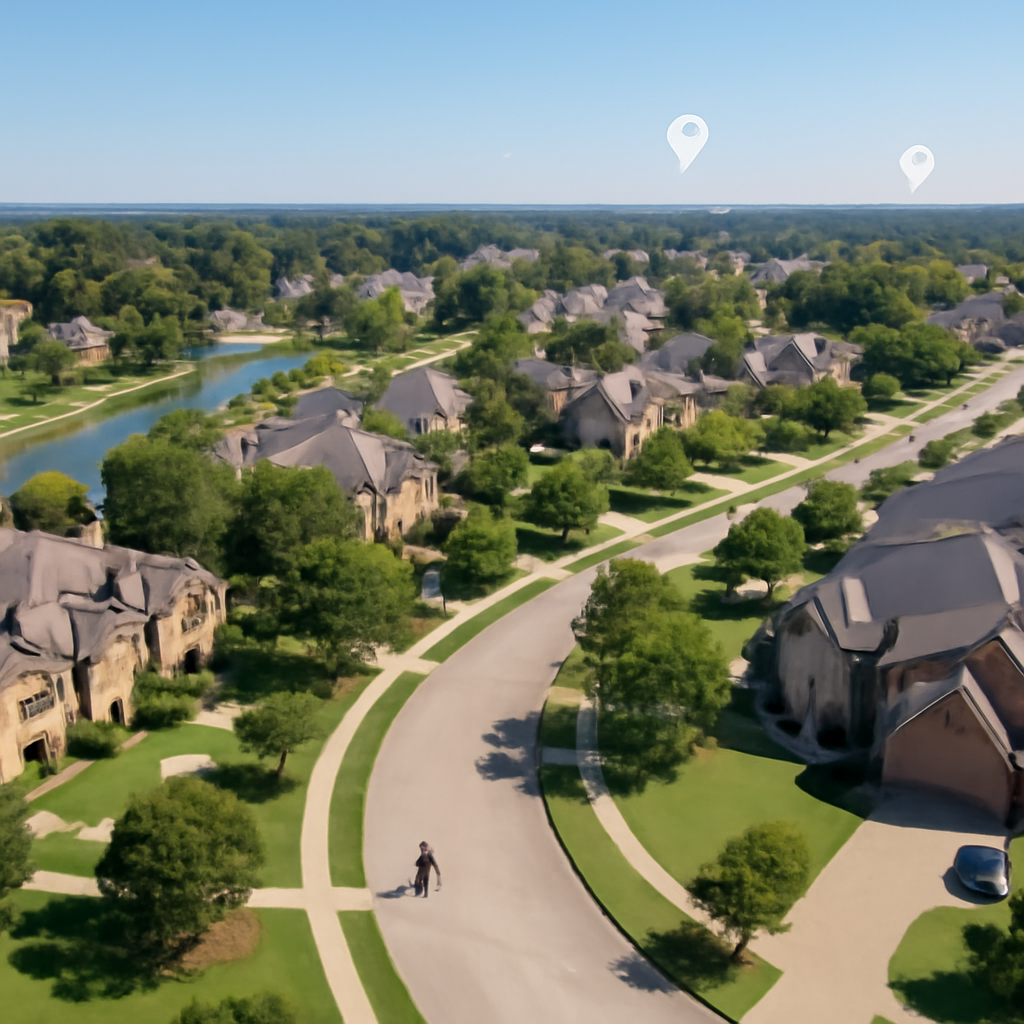
Late afternoon at Prescott City Park often delivers a sense of how water shapes daily life. The reflection of tall pine trees shimmers on the smooth surface of the small pond, while the faint smell of grilled food drifts from picnic shelters. Children’s laughter rises above the gentle splash of ducks near the shoreline, and traffic along Hale Avenue softens into a distant hum. This mix of sound, scent, and motion hints at the ambiance many buyers seek along larger lakes and creeks nearby.
Investors studying waterfront properties in Prescott AR also evaluate income-producing options. Smaller motels along U.S. Highway 371 and short-term rental cabins toward White Oak Lake often market fishing access and quiet, wooded settings. According to statewide tourism data from Arkansas Tourism, outdoor recreation and nature-based travel contribute billions in visitor spending annually, with lakes and rivers serving as consistent anchors. Properties that combine lodging, boat access, and clear signage from Interstate 30 ramps can capture a share of this regional flow.
Residential buyers frequently compare older brick homes near Prescott High School with newer construction on larger acreage outside city limits. GreatSchools rates Prescott High School at scores that place it within competitive ranges for small Arkansas districts, according to GreatSchools data, making nearby neighborhoods along East 3rd Street North and Elm Street attractive for long-term residents. Even when properties lack direct waterfront, access to fishing spots along the Little Missouri River within a 15- to 25-minute drive can still support lifestyle-focused decision making.
How Do Pricing and Returns Look for Waterfront Properties in 2026?
Pricing for waterfront properties in Prescott AR varies widely depending on acreage size, improvements, and functional access to water. According to current Arkansas rural land surveys summarized by LandWatch, recreational tracts in the Prescott area often list between $2,500 and $6,500 per acre, with premium water-focused parcels pushing toward the upper end of that range. Houses on small lakes or large ponds can reach total asking prices around $350,000 to $500,000 when they include updated structures, docks, and cleared shorelines.
Income potential depends on how actively the property is managed. Based on short-term rental analytics cited by AirDNA for rural Arkansas markets, successful vacation rentals near lakes and rivers often target occupancy between 45% and 60%, especially during peak spring and summer seasons. When nightly rates reach the $150 to $250 range for cabins or small homes with water access, annual gross revenue can surpass $25,000, assuming consistent marketing and maintenance standards.
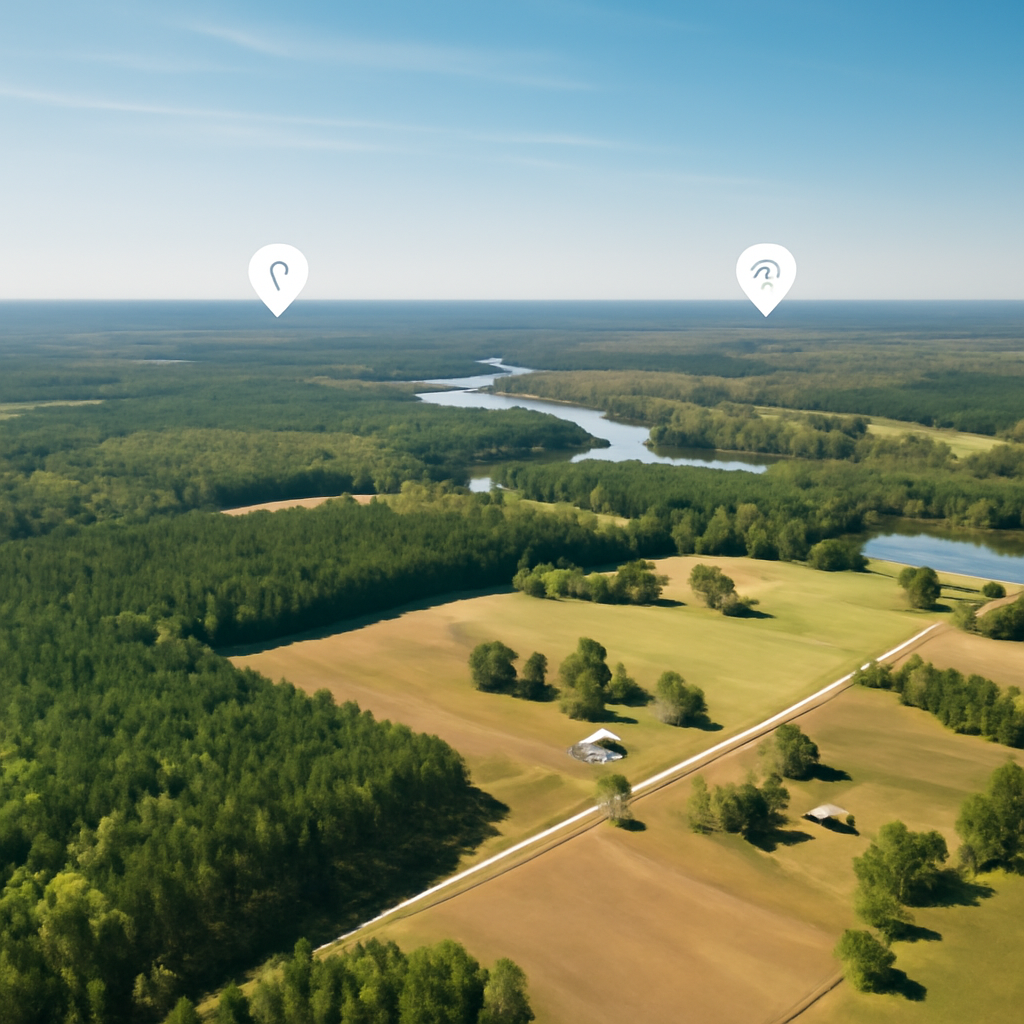
On a clear spring morning east of Prescott along the Little Missouri River, the value of frontage becomes tangible. Mist hangs just above the slow-moving current, diffusing the first orange light across gravel bars and sycamore trunks. The muted rush of water against fallen branches competes with the distant call of hawks circling above the treeline. Standing on a private bank off Rosston Road, the cool, damp air at ground level reinforces why some buyers insist on direct, walkable shoreline.
Long-term appreciation remains tied to broader Arkansas trends. According to state-level price indices from the Federal Housing Finance Agency, Arkansas home values have grown within a band of roughly 4% to 7% annually in many recent years. Waterfront and recreational tracts around Prescott often move somewhat differently, with slower sales velocity but stronger resistance to downturns when properties combine timber, grazing, and water-based recreation. Investors frequently accept lower immediate cash yields in exchange for this combination of durability and lifestyle utility.
What Key Legal, Environmental, and Infrastructure Factors Matter Most?
Due diligence for waterfront properties in Prescott AR extends well beyond purchase price. Floodplain mapping and insurance stand near the top of the checklist. According to FEMA’s Flood Map Service Center, sections along the Little Missouri River and certain low-lying tracts near Crump Creek fall into special flood hazard areas. Properties within these zones typically require flood insurance, which can add anywhere from $600 to more than $2,000 annually, depending on elevation, structure type, and coverage levels.
Water quality and use restrictions also influence value. Many rural tracts rely on private wells and septic systems, especially outside the Prescott city services area extending along Hale Avenue and West 1st Street North. Environmental testing for wells, septic inspections, and compliance with Arkansas Department of Health standards often cost several hundred dollars per property. According to guidance from the Arkansas Department of Health, proper setbacks from surface water and regular maintenance reduce contamination risks, which is particularly important where livestock, fertilizer, and shoreline erosion intersect.
Infrastructure access can either amplify or limit a waterfront parcel’s usefulness. Gravel roads leading from Interstate 30 exits toward private lakes may become difficult during heavy rains, affecting both full-time residents and short-term guests. Nearby services, including Nevada County Hospital on East 2nd Street North and the Nevada County Library near Main Street, contribute to perceived livability within a 10- to 20-minute radius. Electrical service from regional cooperatives and broadband availability through providers along Highway 67 frequently determine whether properties function as primary homes or occasional retreats.
Legal access must always be verified. Some attractive-looking ponds visible from Rosston Road or Arkansas Highway 24 sit behind easements that do not fully convey recreational rights. Title review and survey work ensure that driveways, boat ramps, and dam structures lie within deeded boundaries. In Arkansas, many older deeds reference landmarks such as trees, fence lines, or creek beds, so updated surveys become especially useful on tracts where shifting watercourses or timber harvesting have altered the landscape over several decades.
How Can Buyers and Investors Strategically Approach Prescott-Area Waterfront Opportunities?
Strategic planning for waterfront properties in Prescott AR typically begins with clarifying the desired balance between recreation, income, and long-term land stewardship. Some buyers prioritize quick access from Prescott Elementary School and downtown businesses along West Main Street, accepting smaller ponds or seasonal creeks in exchange for shorter commute times. Others target larger acreages south toward Falcon and Willisville, where multi-use tracts can support cattle, timber harvest, and private fishing lakes on parcels exceeding 80 or even 160 acres.
Market timing plays a meaningful role. According to statewide seasonal patterns tracked by Redfin, Arkansas listings frequently peak between April and June, with contract activity strongest in late spring. In practice, that means the best selection of Prescott-area recreational and waterfront tracts often appears within this three-month stretch. However, buyers willing to transact during colder months sometimes encounter motivated sellers, particularly when carrying costs such as taxes and insurance exceed $4,000 annually on larger holdings.
Local knowledge also matters. Longtime residents around Prescott Country Club, neighborhoods off Highway 371, and communities near Prairie DeAnn Wildlife Management Area often know which ponds hold fish year-round, which creeks maintain steady flow, and which low spots remain wet only after heavy rains. Relationships with Nevada County offices at the courthouse on East 2nd Street South and informal conversations at downtown cafes along Main Street can reveal upcoming estate sales or quiet offerings before they reach regional listing platforms.
Many successful investors establish clear acquisition criteria and then monitor listings consistently. Target parameters often include minimum water depth for small boats, shorelines of at least 800 to 1,200 feet, and slopes gentle enough to allow safe foot access. Combining those benchmarks with realistic construction budgets—frequently starting near $150 per square foot for modest waterfront cabins—helps create disciplined offers in a market where scenery may otherwise tempt overbidding.
The 3,500-resident scale cited at the start of this guide reflects a market where individual listings can significantly shift available supply in any given quarter. That small-base figure from U.S. Census QuickFacts underscores why even a handful of new or renovated lakefront and riverfront offerings around Prescott can change perceived pricing norms quickly. The Arkansas Realtors Association monthly statistics portal provides the clearest state-level backdrop against which Prescott’s rural waterfront segment can be compared. Buyers who register listing alerts through major platforms and commit to touring viable properties within 48 hours of hitting the market before the late-spring surge in May 2026 tend to secure stronger positions. Those who delay scheduling showings or submitting offers until summer holiday periods often face reduced choices, firmer pricing, and fewer negotiation opportunities across Nevada County’s limited waterfront inventory.
Categories
Recent Posts