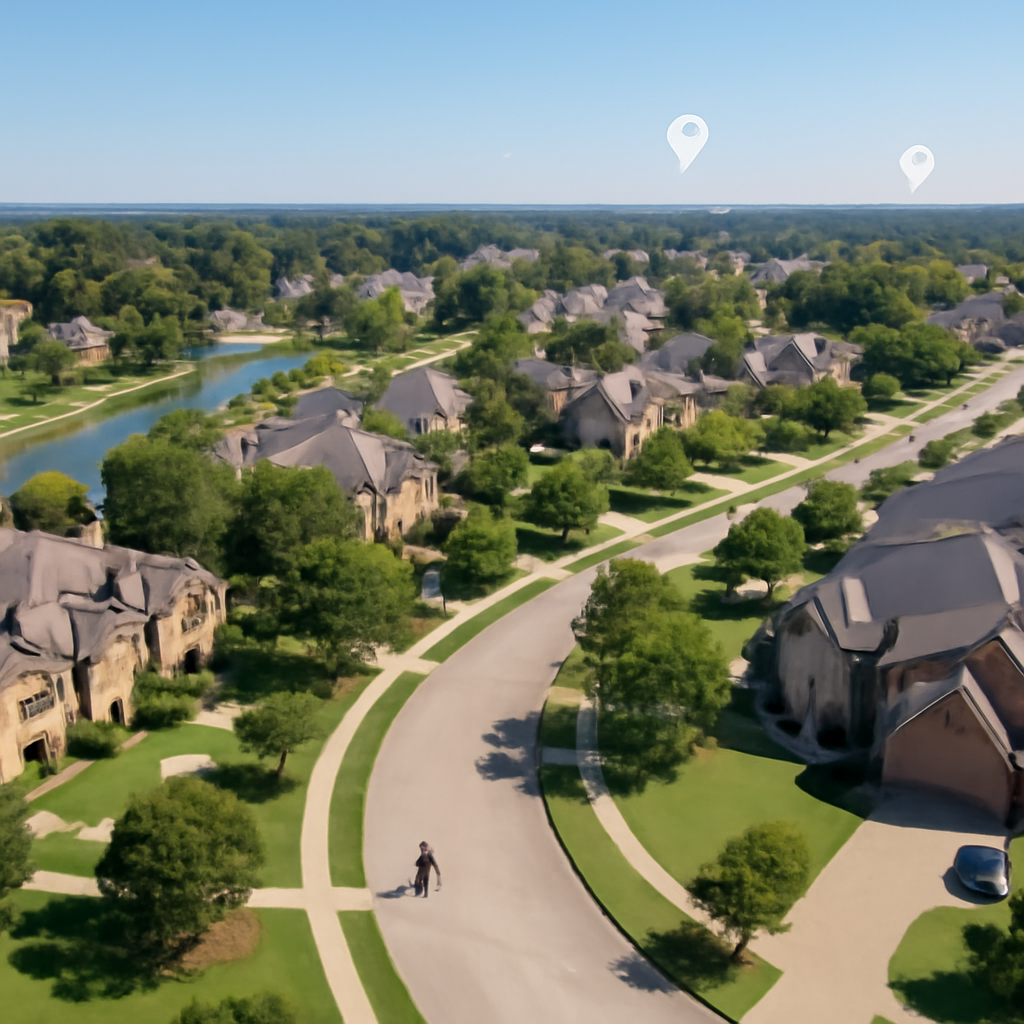
Buying Recreational Properties in Colorado Springs, CO: Top Tips for 2026
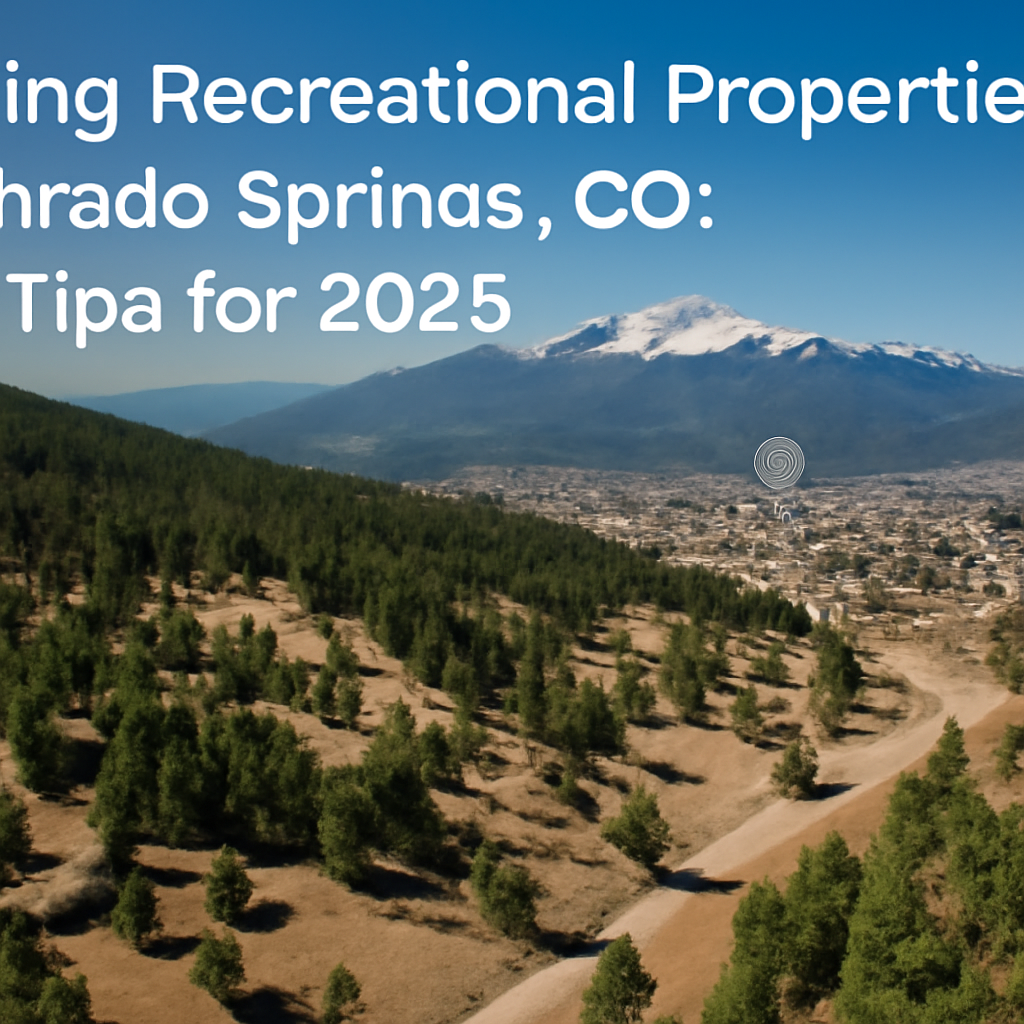
Buying Recreational Properties in Colorado Springs, CO: Top Tips for 2026
Buying recreational properties in Colorado Springs CO in 2026 means entering a competitive, outdoor-focused market shaped by limited land and strong regional demand. According to Zillow, the typical Colorado Springs home value hovered around $450,000 in late 2024, illustrating how proximity to Pikes Peak and the Front Range continues to support pricing. Recreational tracts, cabin sites, and small-acreage holdings in El Paso County often trade at premiums because of access to trails, fishing, and public land.
What market trends shape buying recreational properties in Colorado Springs CO in 2026?
The broader housing backdrop frames every recreational purchase. Data from Redfin shows Colorado Springs median sale prices fluctuating in the mid $400,000s through late 2024, with months of supply often near 1.5. That tight inventory spills into cabins and recreational parcels along Highway 24 toward Woodland Park and near Black Forest. Buyers targeting seasonal retreats or hunting bases therefore face bidding environments similar to primary residences.
Outdoor amenities remain a primary value driver. The City of Colorado Springs Parks Department manages more than 9,000 acres of parkland and over 300 miles of trails, including systems around Palmer Park, North Cheyenne Cañon Park, and Red Rock Canyon Open Space. Recreational parcels with direct trail access or short drives along North Nevada Avenue or Uintah Street toward these parks often command noticeable premiums compared with similar acreage farther east.
According to Walk Score, Colorado Springs posts an overall Transit Score near 19 and a Bike Score around 45, underscoring the car-dependent nature of many recreational corridors. Parcels along Old Stage Road, Gold Camp Road, and Highway 115 must be evaluated with realistic expectations about seasonal access, travel times to downtown, and the condition of gravel sections. Those factors influence both daily enjoyment and eventual resale appeal.
Which areas around Colorado Springs best match different recreational property goals?
Different corners of the Colorado Springs region support distinct recreational lifestyles. West of Interstate 25, properties near Garden of the Gods Road and Manitou Avenue often attract hiking and climbing enthusiasts who prioritize swift access to Garden of the Gods Park and the Manitou Incline. Data from Visit Colorado Springs notes millions of annual visitors to these attractions, signaling powerful long-term demand for overnight stays and second homes in nearby neighborhoods such as Pleasant Valley and Cedar Heights.
South of downtown along Nevada Avenue and Highway 115, small-acreage parcels and homes near Cheyenne Mountain State Park draw buyers seeking wildlife viewing and quiet, forested settings. GreatSchools rates Cheyenne Mountain High School at 9/10, according to GreatSchools, which supports demand for multi-use properties that blend recreational space with strong school access. Streets like Broadmoor Avenue, Cheyenne Boulevard, and Star Ranch Road frequently appear on shortlists for this mixed lifestyle.
Late afternoons near Bear Creek Regional Park bring crisp pine scents on the breeze as sunlight filters through the foothills above Lower Gold Camp Road. Horses clip-clop along the soft trails while mountain bikes hum over gravel, and the distant rush of traffic on South 21st Street fades into background. Cabin decks overlooking the park catch the orange glow from the west, and the quiet chatter outside cafés along Colorado Avenue completes a relaxed, weekend-retreat atmosphere.
How do zoning, water, and access rules affect recreational land purchases?
Zoning classifications across El Paso County strongly shape what a recreational parcel can ultimately support. The El Paso County Planning Department notes several rural zoning districts, including RR-2.5 and A-5, which typically require minimum lot sizes ranging from 2.5 to 5 acres for certain uses, according to county code resources. Parcels off Shoup Road, Hodgen Road, and Meridian Road may appear similar on satellite maps but fall under different constraints for accessory cabins, RV parking, or short-term rental operations.
Water rights and wells matter just as much as zoning lines. Guidance from Colorado Division of Water Resources highlights that exempt domestic wells often allow limited irrigation, while other wells carry stricter conditions. In foothill areas above Cascade and Green Mountain Falls, some properties rely on cisterns or shared systems. Those systems can add several thousand dollars per year in hauling or maintenance if not carefully evaluated during due diligence.
Access easements and private road agreements determine how reliably recreation-oriented tracts can be reached in winter. Colorado Parks and Wildlife, through its Colorado Parks and Wildlife landowner guidance, stresses the importance of recorded access, particularly when parcels border state wildlife areas or national forest. In zones above 7,000 feet near Old Stage Road, unmaintained segments may remain snowpacked for 3 or more months annually, which influences both daily usability and emergency response times.
What ongoing costs beyond the purchase price matter most for recreational tracts?
Beyond the acquisition number, recreational ownership near Colorado Springs carries recurring expenses that shape long-term feasibility. According to El Paso County Assessor data summarized by El Paso County Property Search, effective property tax rates often fall between 0.5% and 0.7% of assessed value, depending on classification. A cabin-valued property at $600,000 could therefore generate annual taxes near $3,000 to $4,000, before considering special districts tied to road maintenance or fire protection.
Insurance premiums also trend higher for parcels within the wildland-urban interface along Cheyenne Mountain Boulevard, Rampart Range Road, and Highway 24 toward Cascade. Industry surveys cited by the Colorado Springs Fire Department show wildfire coverage surcharges of roughly 10% to 20% compared with in-town homes. Additional costs arise from septic inspections every 3 to 5 years, routine chimney service for wood-burning stoves, and periodic grading for gravel drives extending several hundred feet from paved roads.
On a quiet winter morning along Shoup Road near Black Forest Regional Park, the crunch of snow under boots mixes with the soft whir of a distant plow truck on Highway 83. Wood smoke drifts lightly from cabin chimneys, carrying a sharp, resinous scent through stands of ponderosa pine. The cold metal of a frost-covered gate, the muffled stillness between passing vehicles, and the glow from nearby Black Forest Bistro together reveal the tangible upkeep that each season demands.
How can buyers structure offers and due diligence on Colorado Springs recreational properties?
Successful offers on recreational holdings around Colorado Springs often rely on clear timelines and specialized contingencies. Recent Redfin data for the metro shows a median days-on-market figure near 30 days in late 2024, based on Redfin. Competitive parcels near Ute Valley Park, Palmer Park, or along Marksheffel Road may still attract multiple offers within the first 48 to 72 hours. Escalation clauses, proof of funds, and pre-underwritten financing therefore help signal readiness without waiving essential land-specific protections.
Thorough due diligence typically encompasses survey updates, access verification, and environmental review. Guidance from Colorado Parks and Wildlife landowner resources encourages early review of hunting corridors, migration routes, and potential conflicts with neighboring uses. In corridors near Fountain Creek, Jimmy Camp Creek Park, and along Bradley Road, floodplain mapping and wetland delineation become just as critical as standard home inspections, particularly when construction of accessory outbuildings or ponds is contemplated.
School district and amenity checks also play roles, especially where recreational tracts double as primary residences. GreatSchools ratings for institutions such as Pine Creek High School and Discovery Canyon Campus, accessible from Voyager Parkway and Powers Boulevard, range from 7/10 to 9/10, according to GreatSchools. Combined with drive times to downtown Colorado Springs, Peterson Space Force Base, and the Powers Boulevard retail corridor, these metrics help frame long-term value beyond weekend recreation.
The $450,000 typical home value cited at the start of this guide reflects how underlying residential strength props up pricing for cabins, small-acreage tracts, and mixed-use retreats surrounding Colorado Springs. That same figure from the opening underscores the opportunity cost of delaying decisions when well-positioned recreational parcels appear along key corridors. The Pikes Peak Association of Realtors market reports offer detailed snapshots of inventory, absorption, and pricing patterns across El Paso County. Buyers who register listing alerts through this resource before the late-spring surge and commit to touring promising properties within 48 hours of activation by May can often secure stronger positions, while those who hesitate risk facing higher prices and fewer options as summer demand peaks.
Categories
Recent Posts